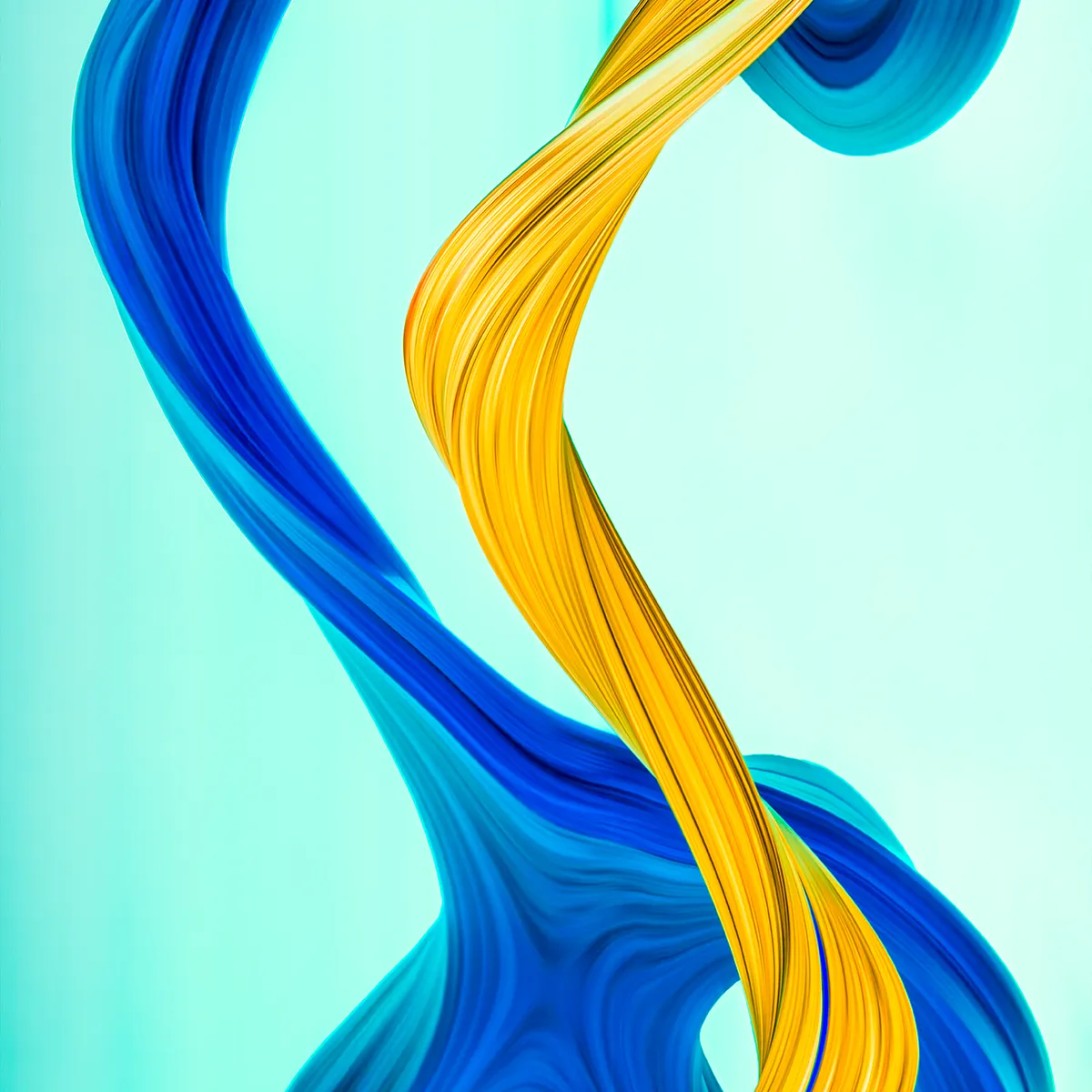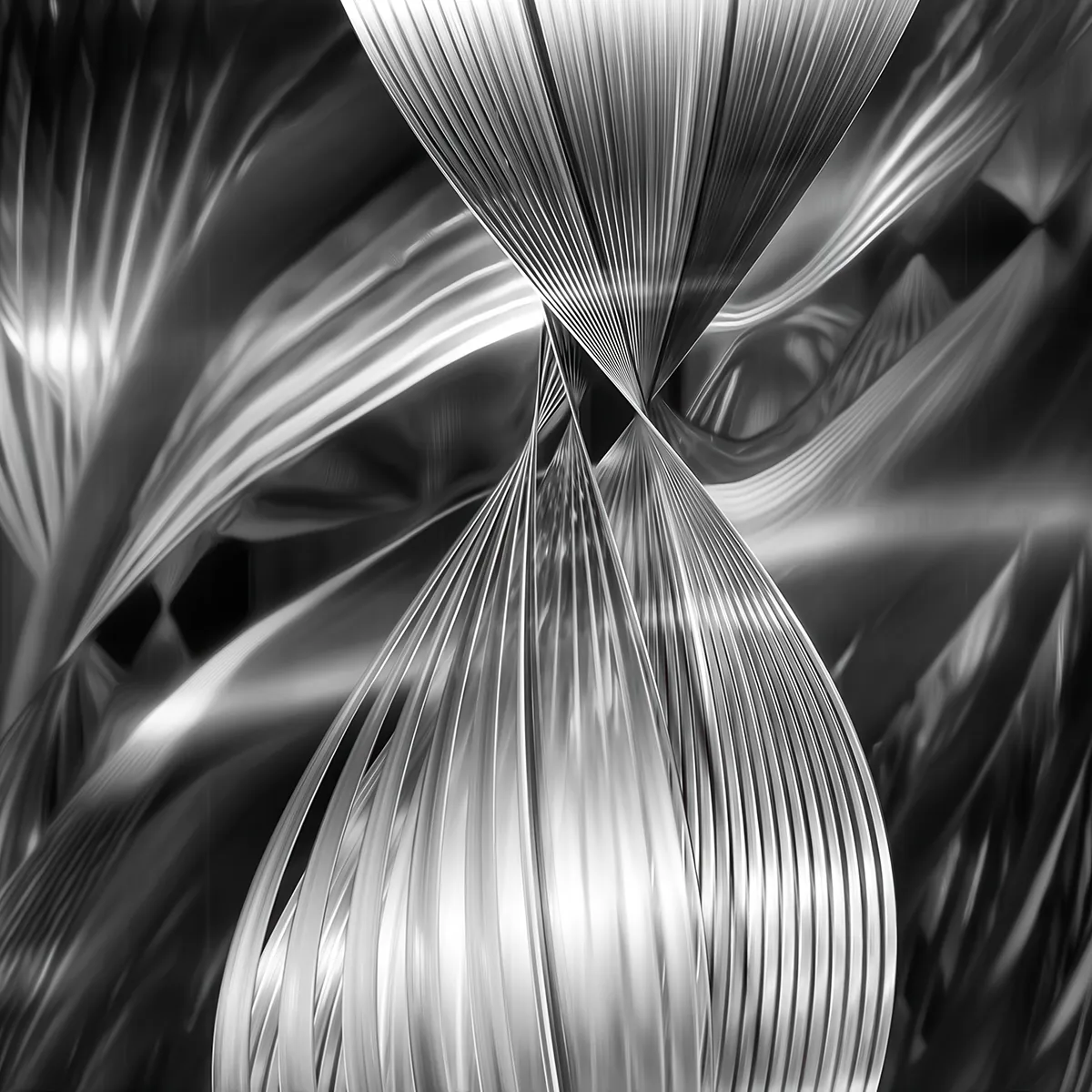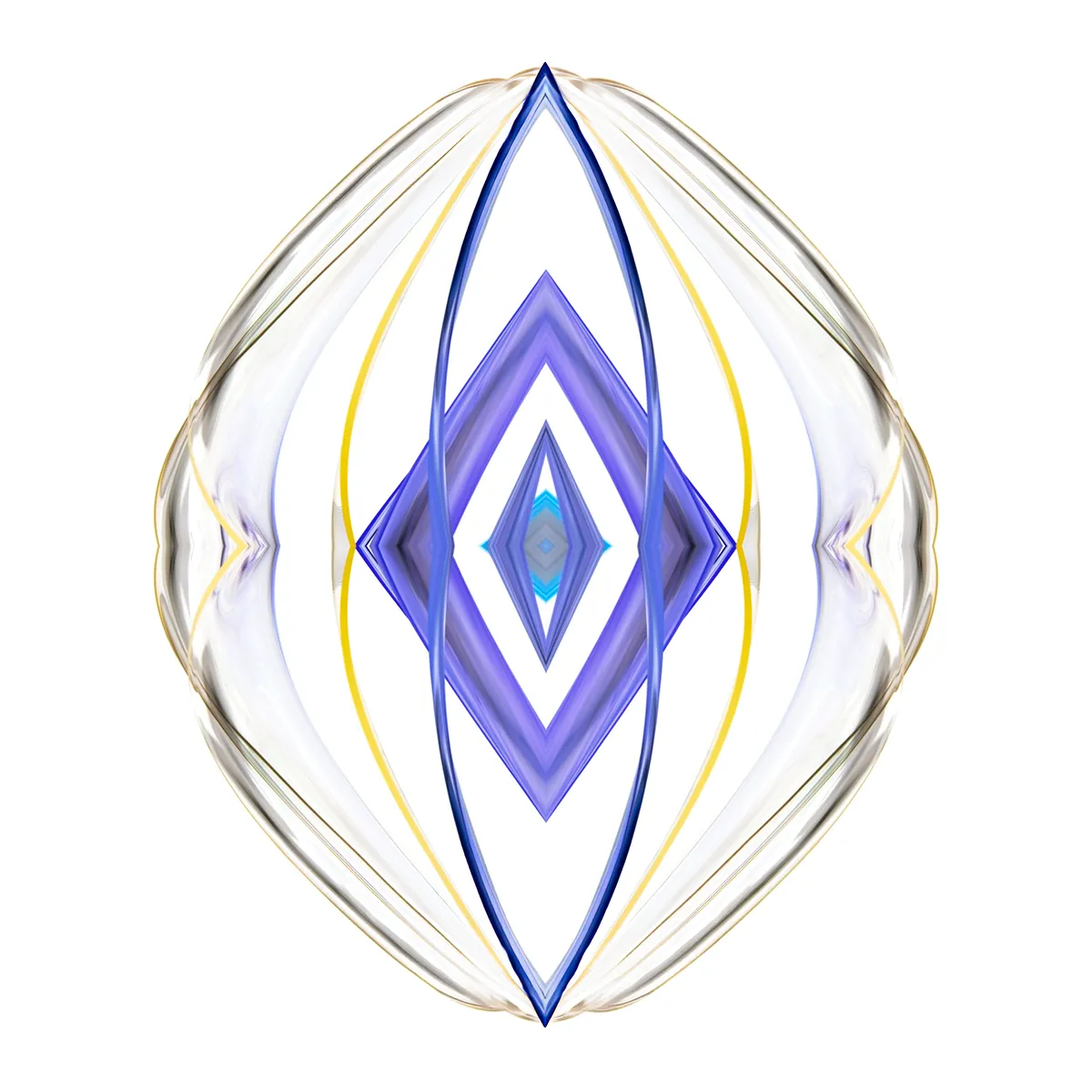
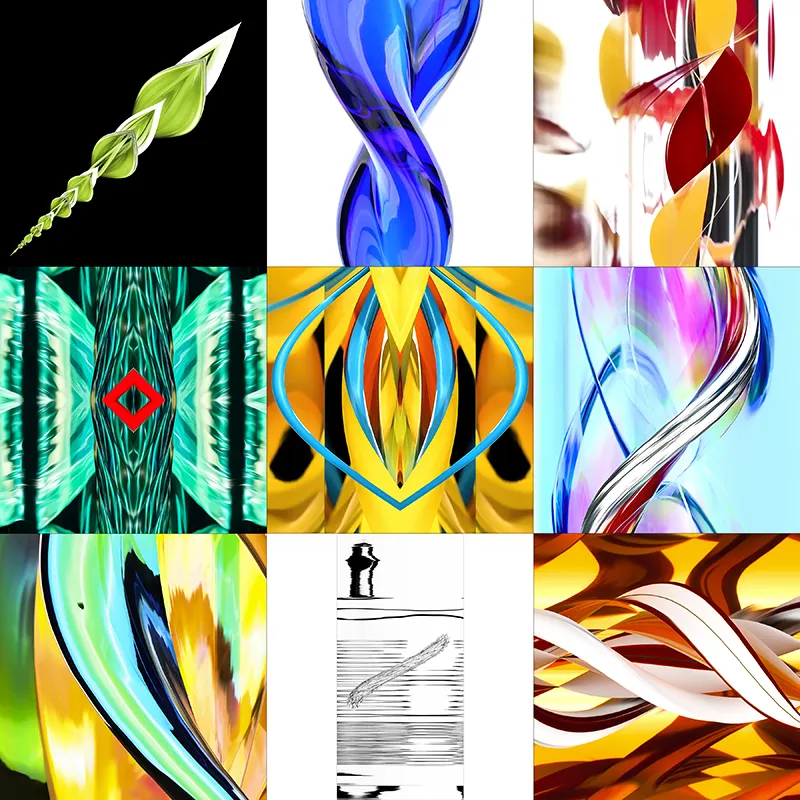
Tracing the Past in Space and Time follows the development of Space over Time – from the first experiments to later works in which places, memories, encounters and other artistic positions become starting points.
The series of works are arranged chronologically and thematically. Each focuses on a different aspect and offers a different approach to slit-scan – through movement and time, through color, memory, change, or through the question of how much perception is determined by the way we see.
Taken as a whole, the works demonstrate how the exploration of space, time, and perception has expanded and intensified over the years. The search for clues deliberately remains open: new series of works continue this development.
Space over Time ‘s beginnings were characterized by curiosity, experimentation, and a spirit of technical inquiry. Initial experiments with rotating objects led step by step to their own setups, turntables, and new possibilities for image creation.
No fixed visual language exists at the outset. Rather, it develops from the experiment itself: from movement, color, structure, and the surprising behavior of time within the image. In this early phase, it becomes apparent for the first time that slit-scan is not merely a technique, but can enable a unique form of perception.

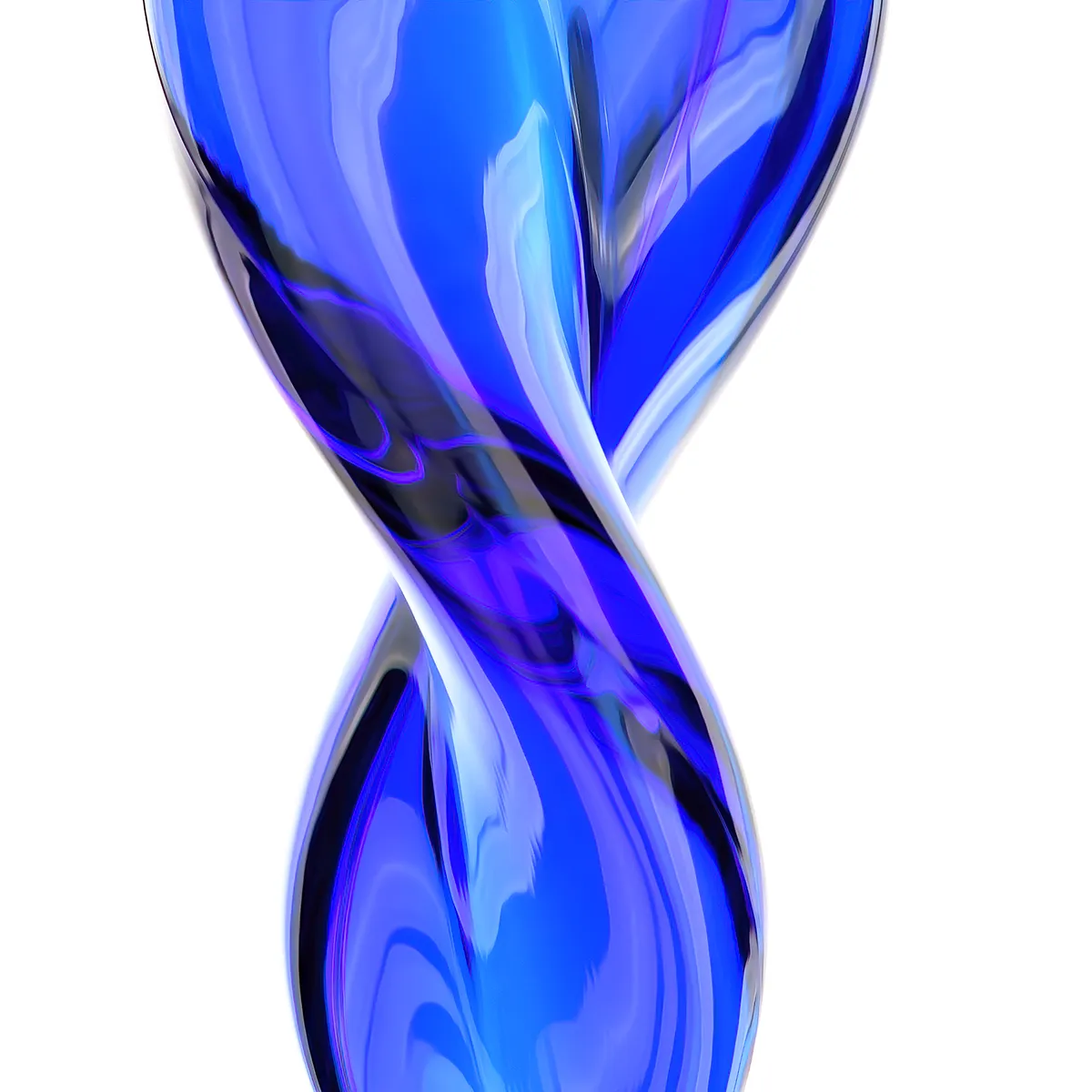
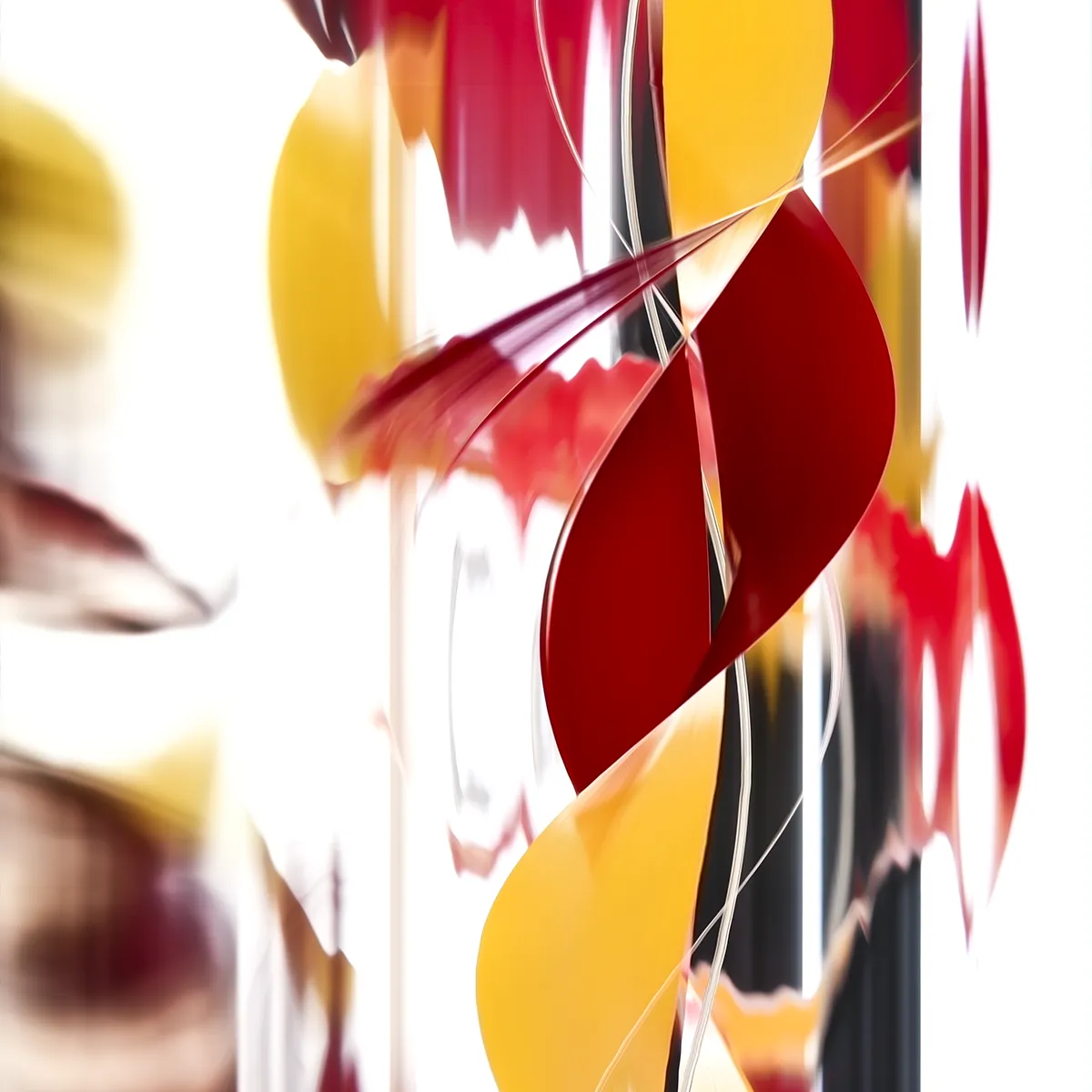
Over time, the experiment evolves into its own language. The technical possibilities grow, but something else is more crucial: I begin to understand more and more precisely what actually interests me about slit-scan. Not the alienation for its own sake, but the possibility of making reality perceptible differently.
Movement, memory, places, and personal experiences are increasingly finding their way into the works. Technique recedes more and more into the background, becoming a tool for translating thoughts and feelings into a visual language that lies between photography and painting, between the visible world and inner perception.
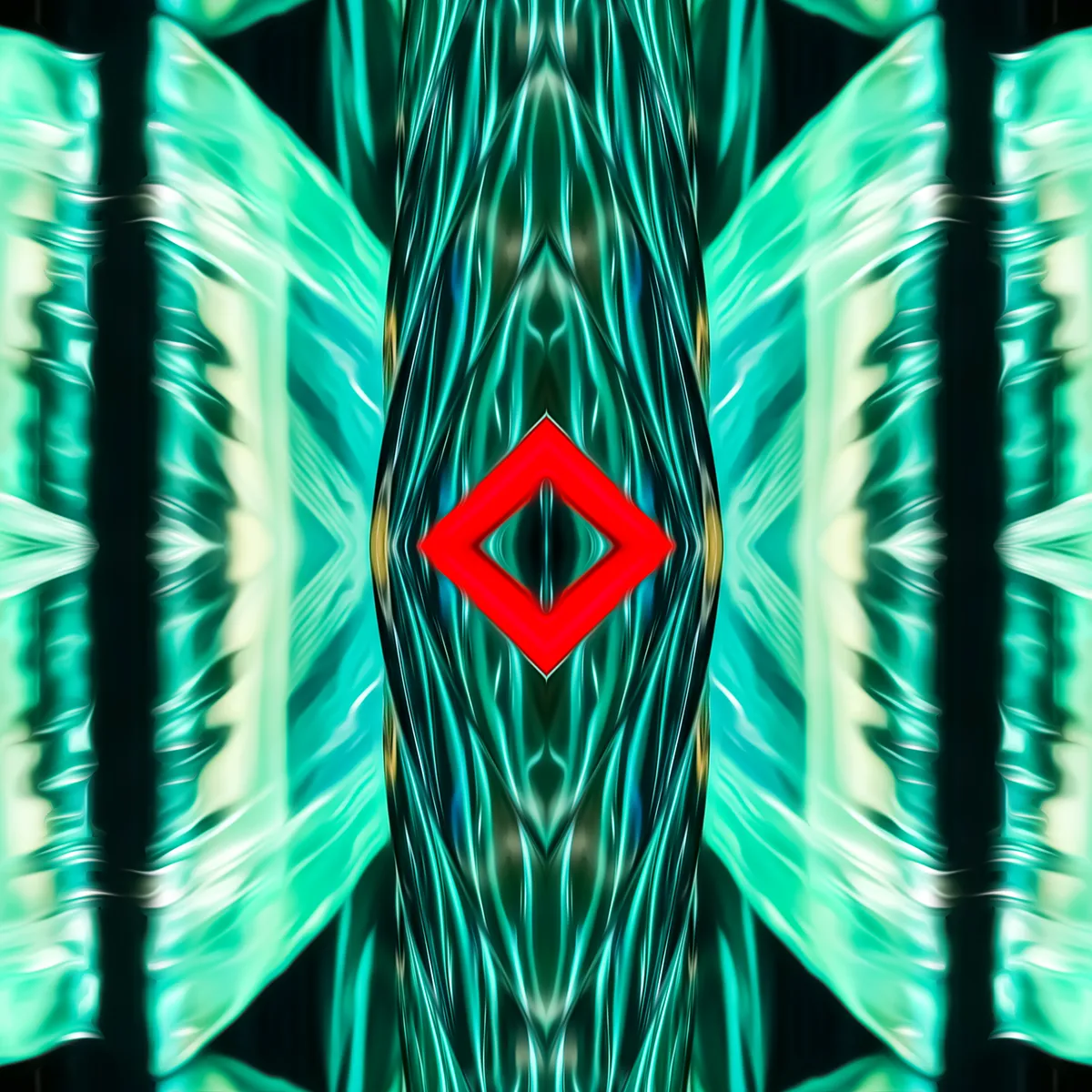
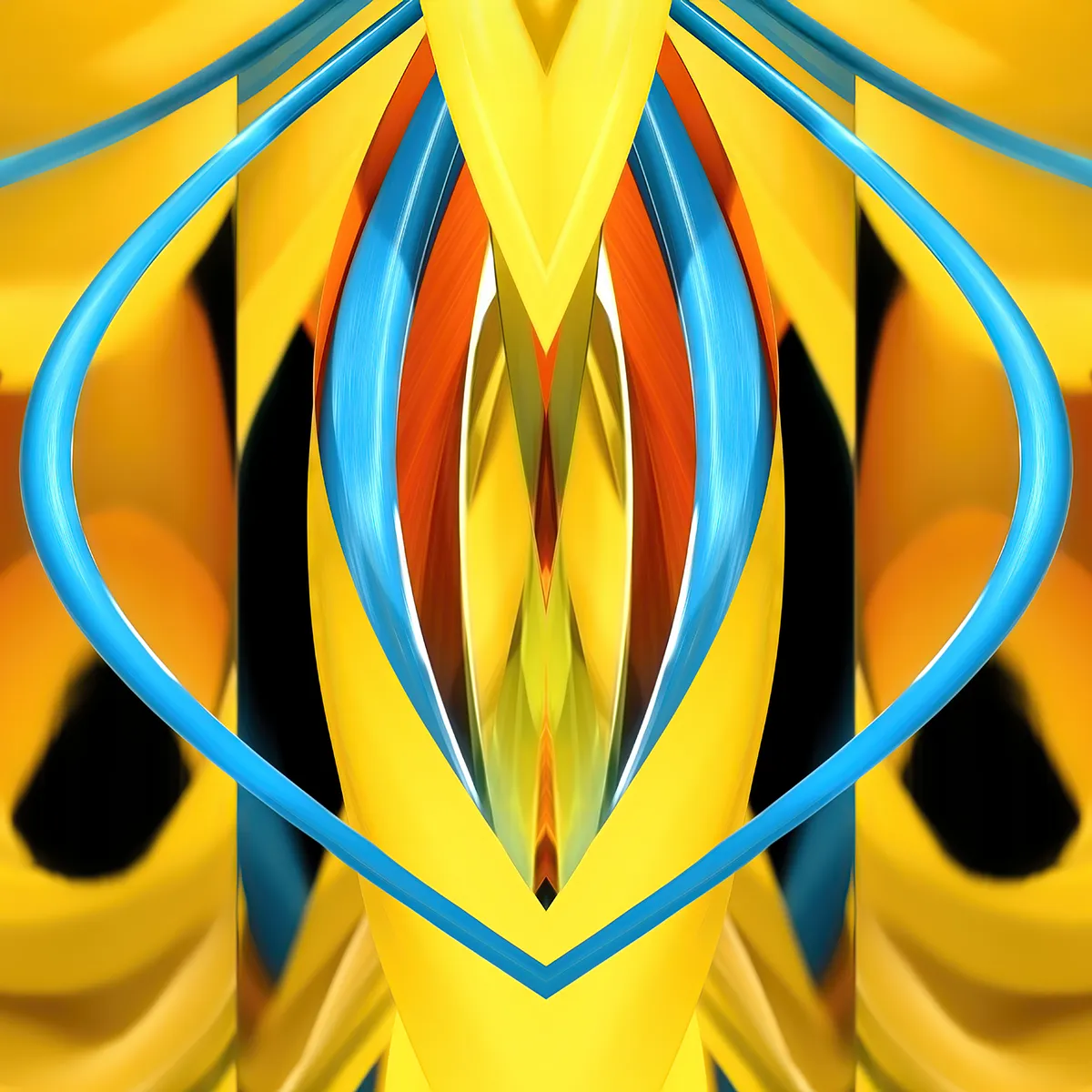
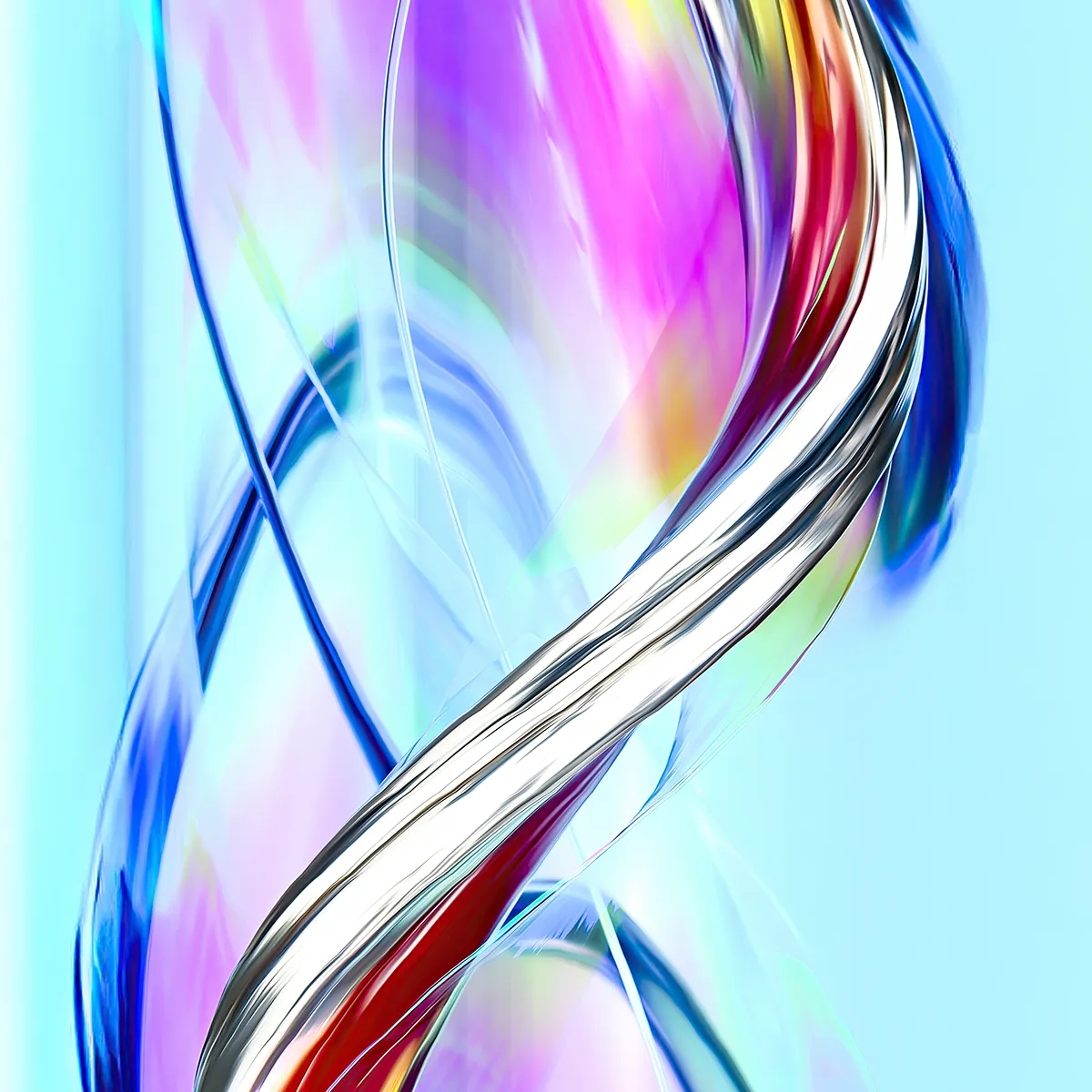
Over time, places themselves become starting points for my work. Not as motifs in the classical sense, but as carriers of memory, atmosphere, and personal experience. Travels, encounters, and exhibitions leave impressions that later reappear in color, structure, and movement.
Slit scanning allows me to detach a place from its usual appearance without leaving it. What remains is not a representation, but a condensation: an image between external reality and inner memory, between what was actually there and what lives on within us.
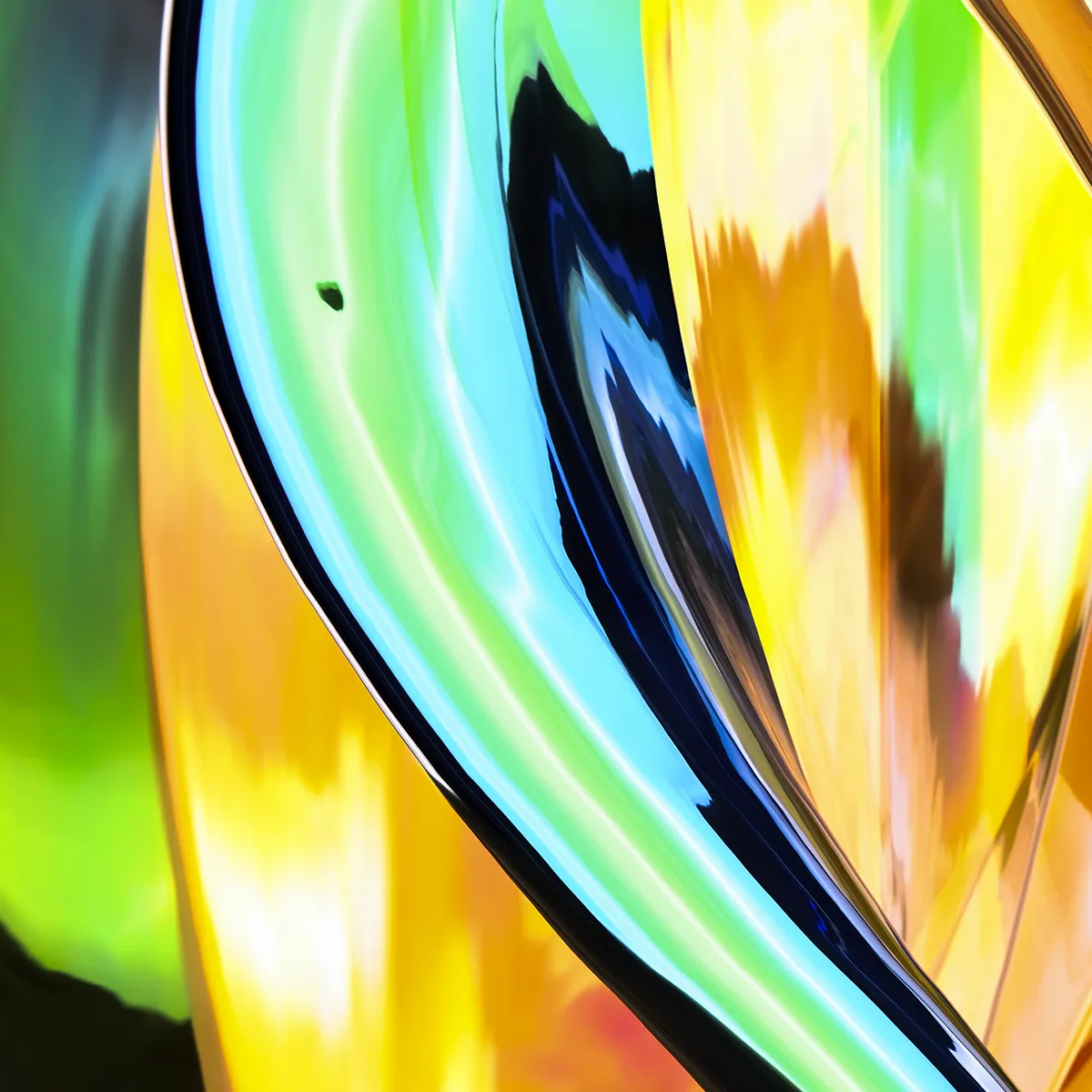
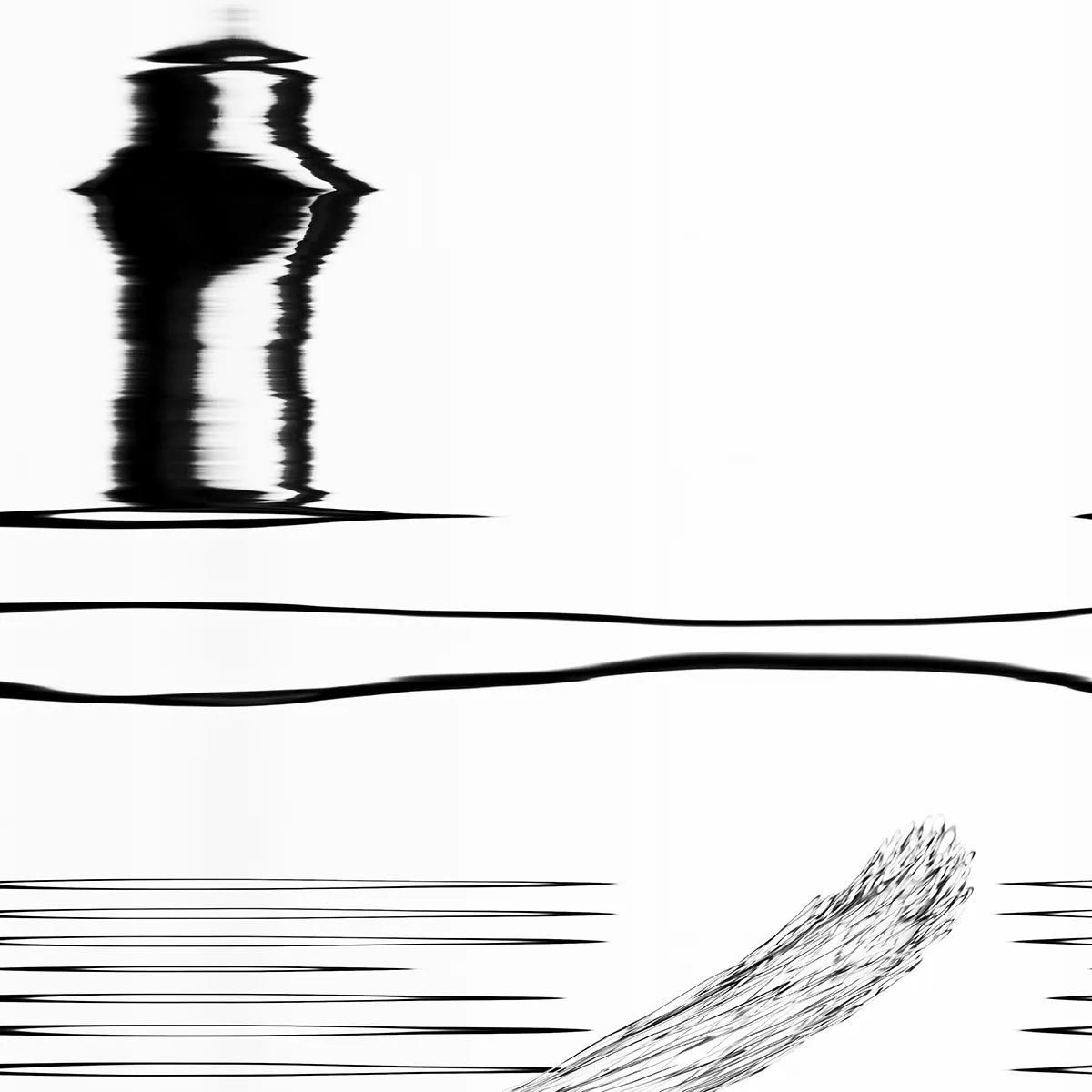
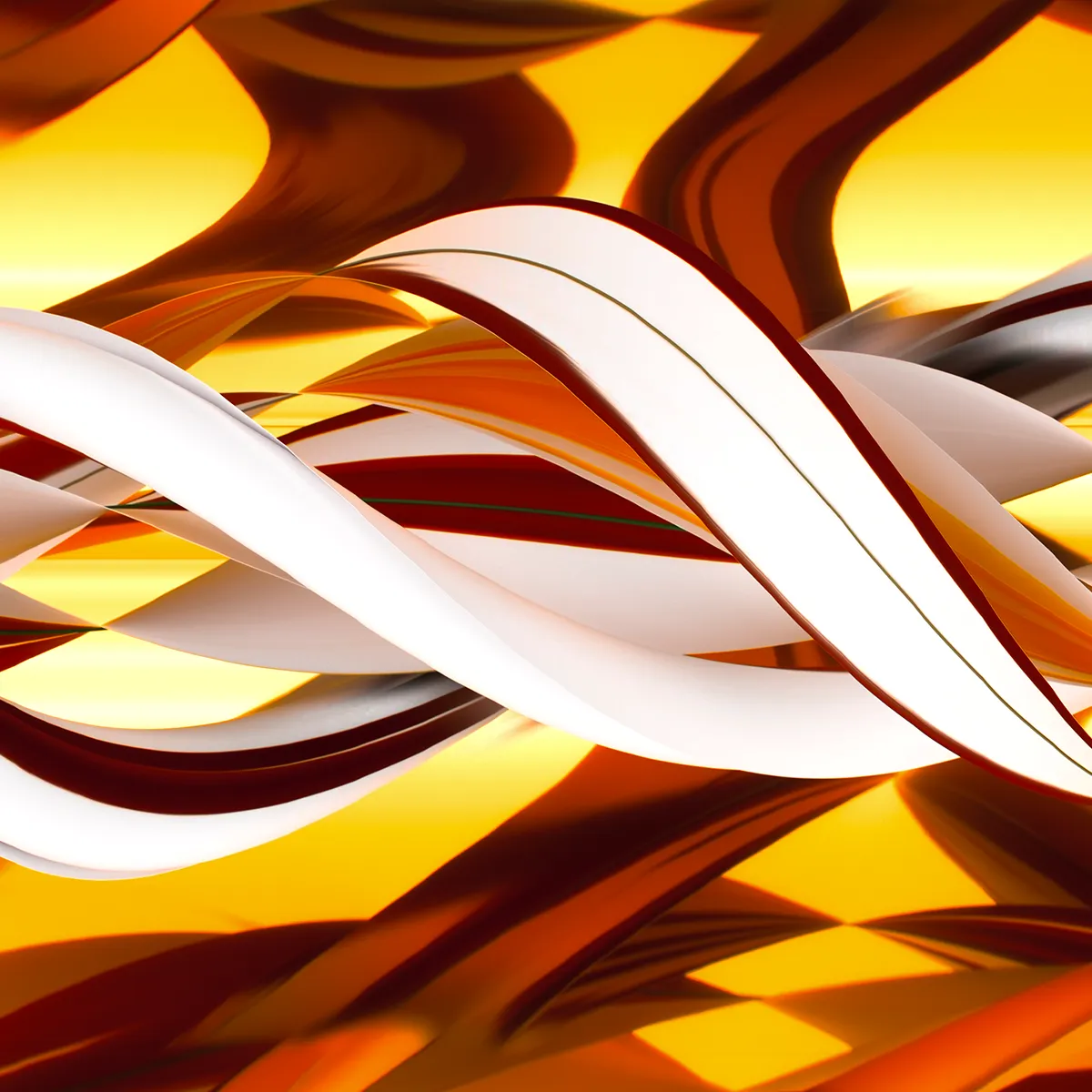
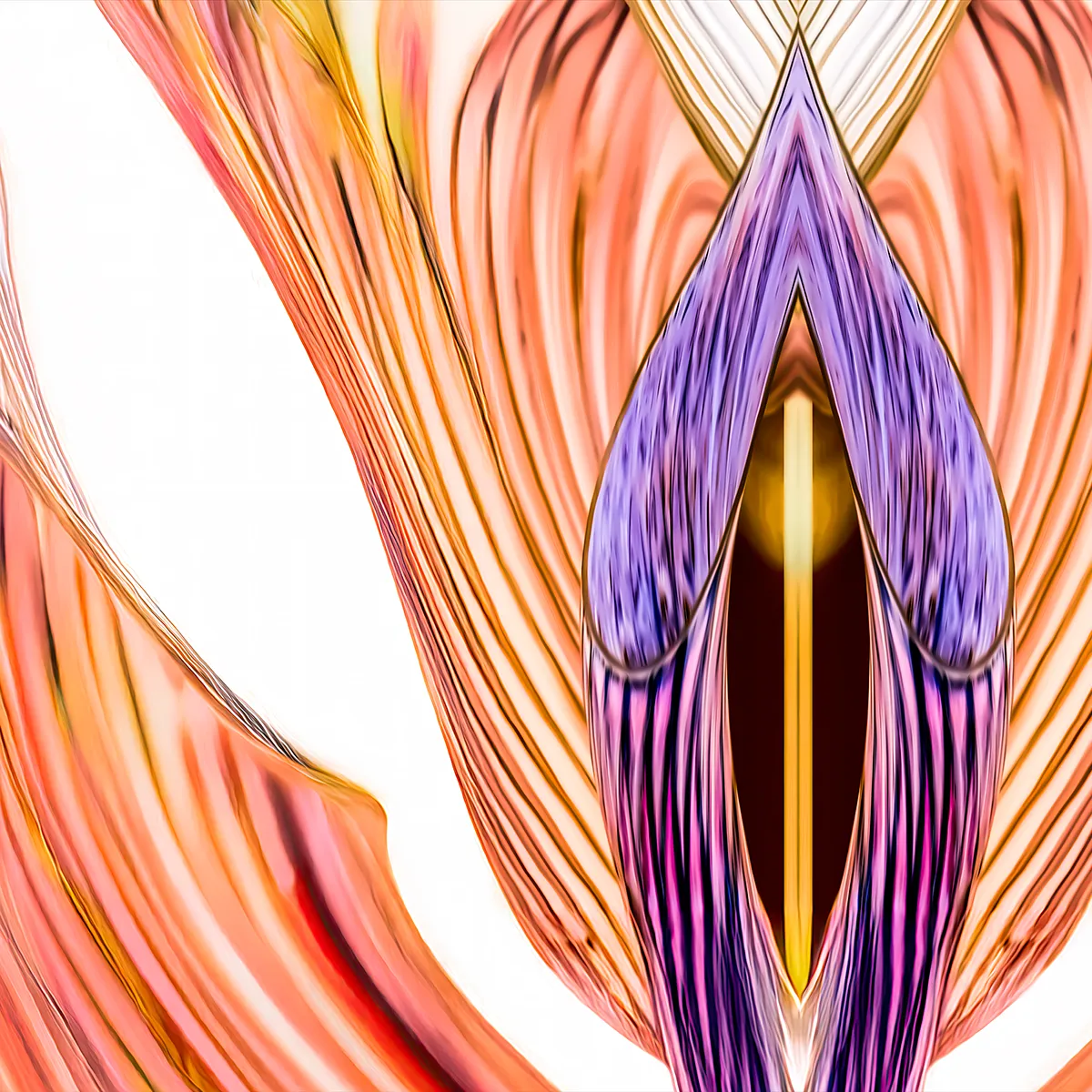

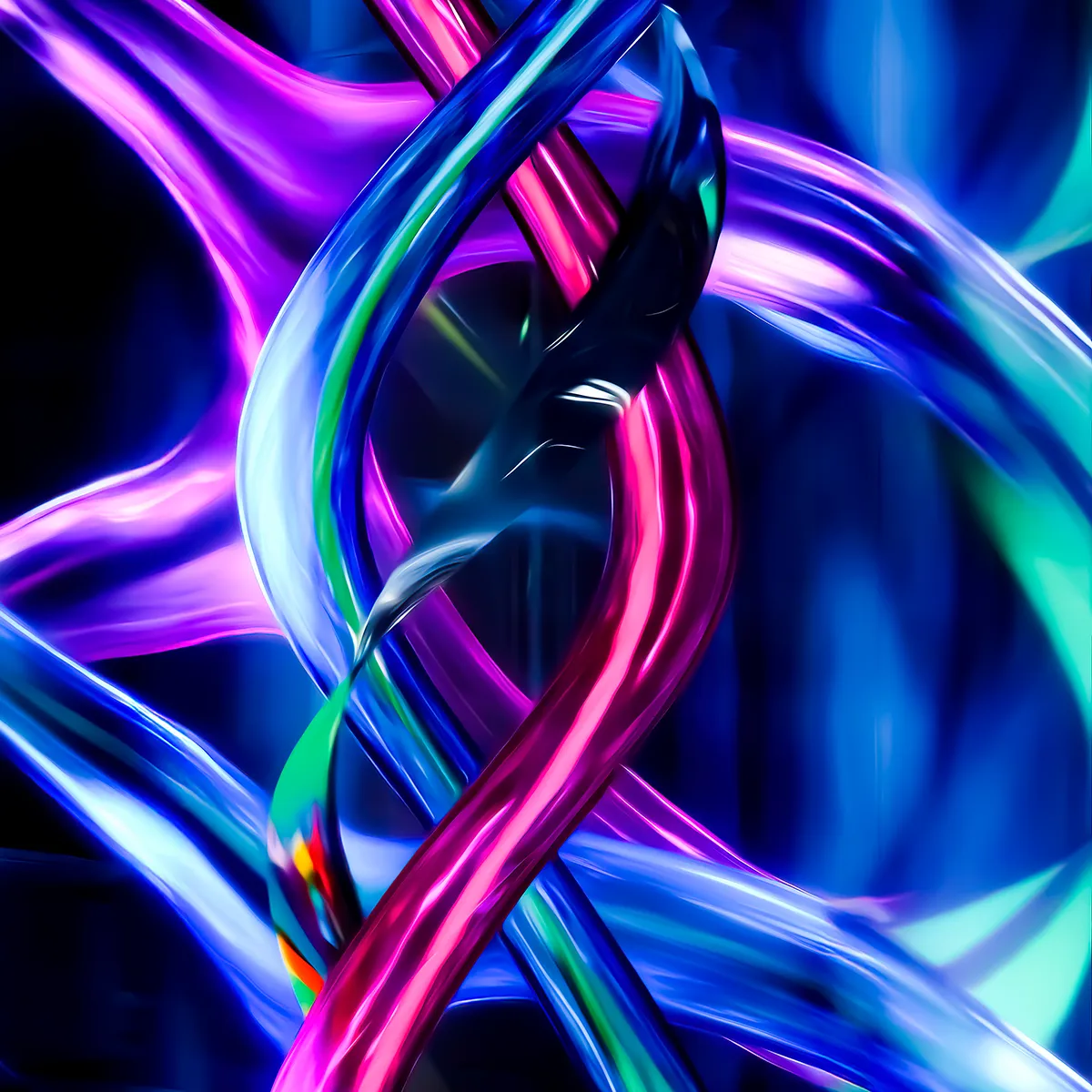
Over time, the work begins to open up. The focus is no longer solely on one’s own perception, but also on encounters with other forms, materials, and artistic ideas.
Slit-scan thus becomes a kind of translator. It takes something that already exists and places it in a new context of time, movement, and perception. For me, this doesn’t represent a loss of the original, but rather an expansion: something familiar enters into a different relationship with itself.