
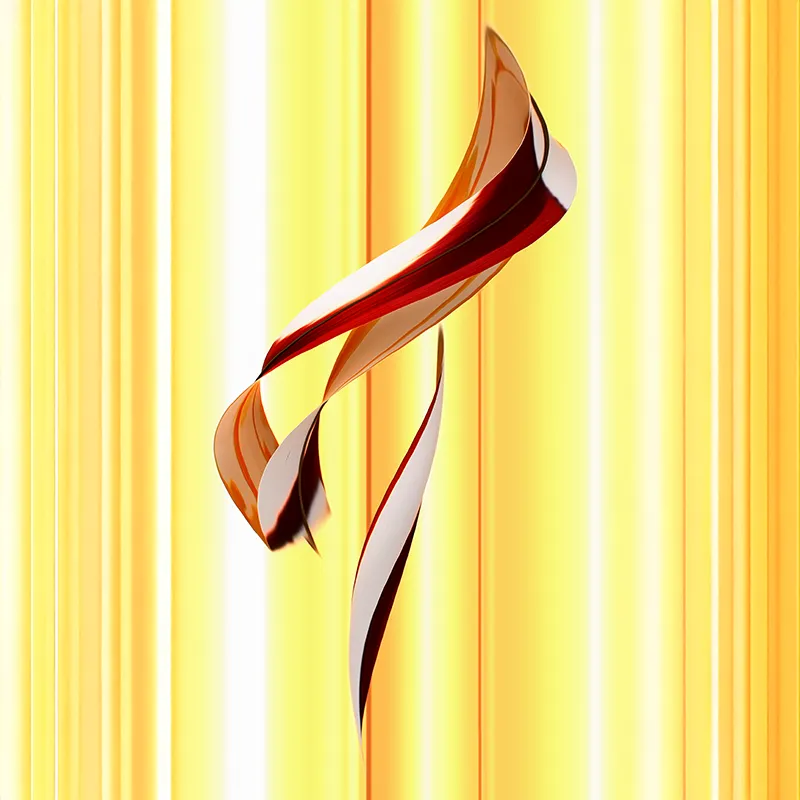
What happens when time is no longer a background, but becomes the actual material of an image?
Space over Time explores how perception changes when movements and moments are not frozen in time, but recorded over a period of time. This creates visual spaces in which structures, colors, and rhythms condense – like a visible imprint of time.
The series invites viewers to see familiar things from an unusual perspective and to readjust their view of space, movement, and memory.
Compositions about structure, perception, and the flowing transitions between space and time.
At the origin is the singularity – a state without expansion, without time. A concentrated potential that cannot experience itself. Only at the moment when a part of this potential takes shape – as matter, as structure – does expression become possible…
-> to the gallery
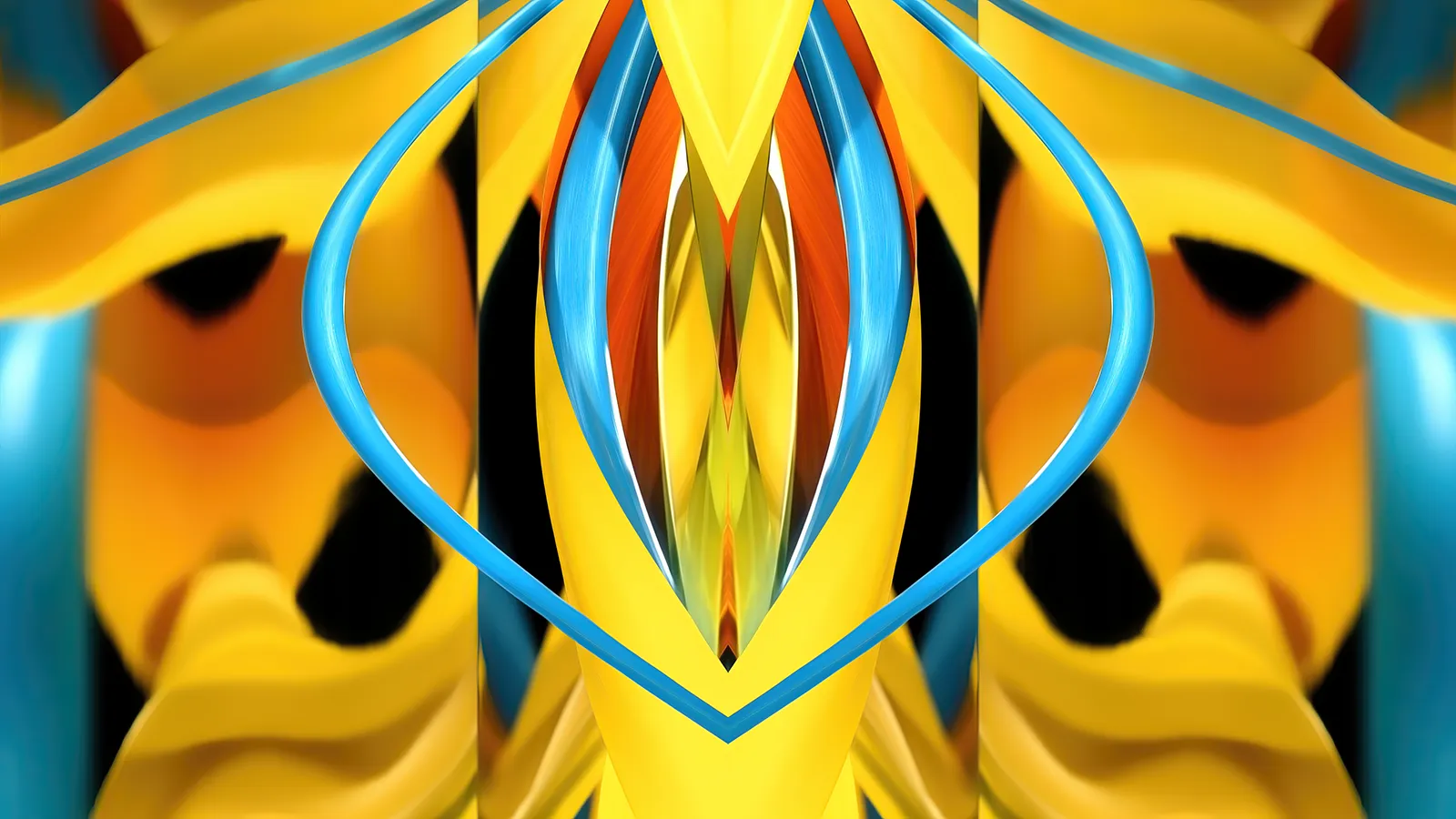
Emotional resonances between space, time, and perception. This selection of works from Space over Time follows feeling – from creation to perception. They are works that have been created from emotions – and that also want to be perceived emotionally.
-> to the gallery
What gives us support, what provides security?
Many answers could be found, but one thing unites them all: their transience . Space and time, on the other hand—at least within our lifespan—remain constant. They are the constants we can rely on from our first breath to our last, as individuals and as a society . In the midst of a fleeting existence, they offer reliability. They are
This is where the series Space over Time begins.
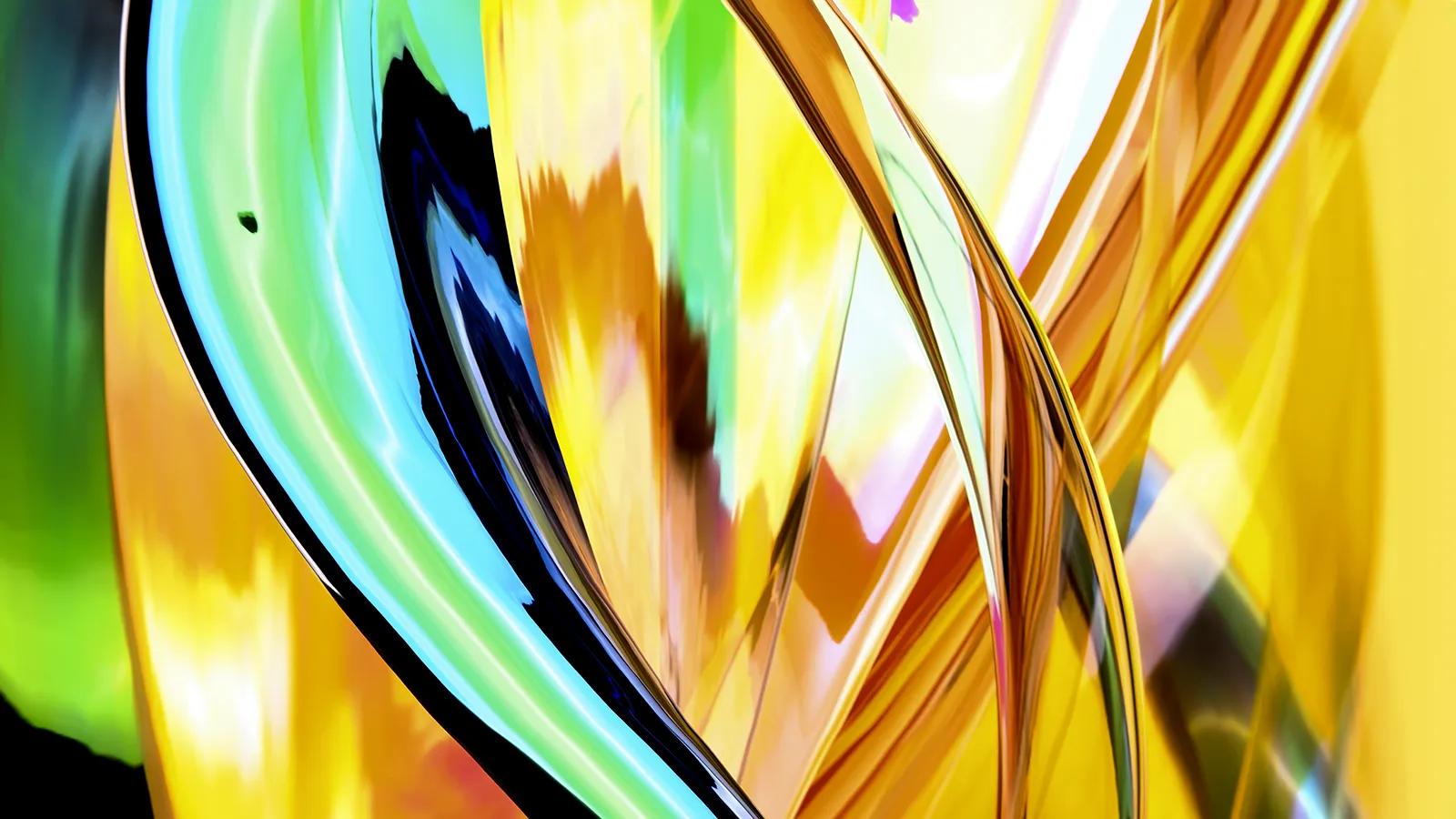
Using slit-scan technology and thousands of image sequences , the resulting photographs transcend the boundaries of classical photography – and thus challenge conventional ways of seeing . Space and time are not only seen differently , but also felt differently . Space over Time is slit-scan photography : compositions emerge from temporally scanned image strips, in which movement becomes structure.
In practice, this means that a narrow section of the image is “scanned” over a defined period; direction, step size, and time frame determine how rhythm, speed, and repetition become visible. Instead of capturing a single moment, slit-scan photography maps the sequence of events —lines, waves, and layers are traces of real movement.
The works are produced as high-resolution pigment prints on archival paper, optionally framed with museum glass. Each edition is limited and comes with a certificate – created for collectors and spaces that want to not only display art, but
The experience of existence begins to move. It shifts, changes direction, and opens itself to new perspectives. What remains is an image – and a sense that our perception does not end at the visible.
Slit-scan photography and slit-scan art at its best.